Air conditioning systems are a critical component of maintaining comfort in homes and commercial spaces, particularly during hot and humid months. A well-functioning AC not only keeps indoor temperatures comfortable but also contributes to better air quality, energy efficiency, and overall system longevity. However, like any mechanical system, air conditioners are prone to wear and tear, which can lead to performance issues if not addressed promptly. Knowing how to maintain your system and when to implement simple repair strategies can save money, prevent major breakdowns, and improve the efficiency of your unit.
One of the most important aspects of AC maintenance is regular inspection and cleaning. Dirt, dust, and debris can accumulate in filters, coils, and vents, restricting airflow and forcing the system to work harder than necessary. A clogged filter, for example, reduces efficiency, increases energy consumption, and can lead to uneven cooling or system overheating. AC repair experts often recommend checking filters monthly and replacing or cleaning them at least every three months, depending on usage and environmental conditions. Similarly, cleaning evaporator and condenser coils ensures optimal heat exchange, prevents freezing, and maintains consistent cooling performance. Simple preventative maintenance can significantly extend the life of an air conditioning system while reducing the likelihood of costly repairs.
Monitoring refrigerant levels is another critical tip for maintaining AC efficiency. Refrigerant is the substance responsible for absorbing heat from indoor air and releasing it outside. Low refrigerant levels can cause the system to struggle with cooling, increase energy consumption, and potentially damage the compressor. While homeowners can sometimes identify issues such as ice formation on coils or insufficient cooling, handling refrigerants requires professional expertise due to safety regulations and environmental considerations. Regular inspections by a qualified technician can identify leaks, check pressure levels, and ensure the system has the correct refrigerant charge. Maintaining proper refrigerant levels not only keeps the AC performing efficiently but also prevents long-term damage to critical components.
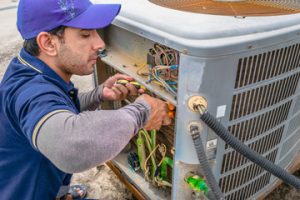
Electrical components are often the source of AC malfunctions and should not be overlooked during routine maintenance. Faulty wiring, worn-out capacitors, and damaged circuit boards can lead to intermittent operation or complete system failure. Homeowners should periodically check for visible signs of damage, such as frayed wires or burned connectors, but detailed inspections should be left to trained professionals. Ensuring electrical connections are secure, components are functioning correctly, and safety devices are operational reduces the risk of system breakdowns and potential hazards. Preventative checks also help identify small issues before they escalate into expensive repairs, saving both time and money.
Thermostat functionality is another area where AC efficiency can be optimized. A malfunctioning thermostat can cause temperature inconsistencies, short cycling, or failure to reach the desired temperature. Simple steps, such as ensuring the thermostat is level, updating settings, or replacing batteries, can resolve minor issues. For more advanced systems, recalibrating the thermostat or upgrading to a programmable or smart unit can improve energy efficiency and system control. Proper thermostat management ensures the AC operates only when necessary, reducing wear and tear while lowering energy bills.
Airflow and ventilation are also essential components of an efficiently running air conditioning system. Blocked vents, closed registers, or obstructed ductwork can disrupt airflow, causing uneven cooling and increased strain on the system. Regularly inspecting vents and ensuring that airflow is unrestricted allows the AC to distribute cool air evenly throughout the space. Additionally, sealing duct leaks and insulating poorly insulated ducts can enhance performance, prevent energy loss, and improve overall comfort. Efficient airflow not only improves the immediate cooling effect but also reduces energy consumption, extending the life of the system.
For homeowners or building managers looking to prevent major AC failures, recognizing early warning signs is crucial. Some common indicators that a system requires attention include unusual noises, reduced cooling efficiency, frequent cycling on and off, water leaks, and foul odors. Addressing these signs promptly can prevent minor problems from developing into serious mechanical failures. In many cases, early intervention requires a combination of cleaning, component replacement, or system recalibration—all of which can be performed more cost-effectively before the damage becomes severe.
Regular professional servicing is another essential tip for maintaining an air conditioning system. While homeowners can perform routine tasks such as filter cleaning and vent inspection, trained technicians provide a more thorough assessment. Annual or biannual service appointments often include checking refrigerant levels, inspecting electrical components, cleaning coils, and testing overall system performance. Preventative maintenance by professionals ensures that small issues are detected early, repairs are done correctly, and the system operates at peak efficiency throughout its lifespan. A well-maintained AC not only delivers consistent cooling but also uses less energy, resulting in lower utility bills.
Energy efficiency should also be a consideration in AC maintenance and repair. Simple practices such as adjusting thermostat settings, using ceiling fans to circulate air, and ensuring the space is well-insulated can reduce the load on the system. Additionally, scheduling repairs promptly when performance declines ensures that the unit does not consume excess energy to maintain comfort. Energy-efficient maintenance reduces environmental impact, saves money, and prolongs the operational life of the air conditioning system. Combining these practical measures with regular professional servicing can result in significant long-term benefits.
In conclusion, maintaining a reliable and efficient air conditioning system requires attention to regular cleaning, proper refrigerant levels, electrical component integrity, airflow management, and thermostat functionality. Implementing these AC repair and maintenance tips helps prevent unexpected breakdowns, reduces energy consumption, and enhances indoor comfort. By recognizing early warning signs, performing routine preventative tasks, and engaging professional technicians when necessary, homeowners and building managers can extend the lifespan of their systems while avoiding costly repairs. Staying proactive with AC maintenance ensures a consistently cool environment, optimal efficiency, and peace of mind, making these strategies an essential part of responsible property management.